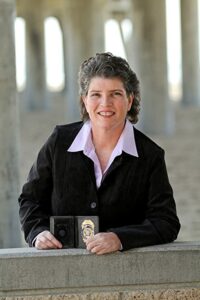
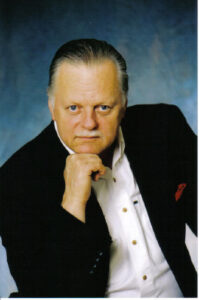
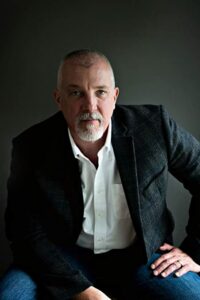
While some police officers struggle to write police reports, others go on to achieve success as published authors.
Police Authors are a compilation of current, former and retired police officers turned published authors writing over a wide range of genres.
K. Albrecht - S. Albrecht - Angley - Police Authors
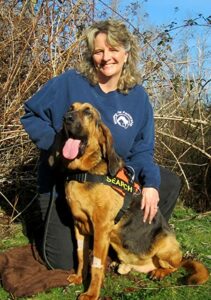
Kathy ‘Kat’ Albrecht (ad)– UC Santa Cruz Police Department. Kathy Albrecht is a former police bloodhound handler, crime scene investigator and search and rescue manager. She is the author of Dog Detectives, Pet Tracker and The Lost Pet Chronicles. Kat is considered the leading authority in lost pet recovery training, and she remains dedicated to that effort.
Steve Albrecht (ad)– San Diego Police Department. Dr. Steve Albrecht is internationally known for workplace violence prevention training programs, school violence prevention and high-risk human resources. His 24 books include subjects on business, leadership, service, negotiation, training, security, firearms, and criminal justice.
Mike Angley (ad)– (OSI) Office of Special Investigations – U.S. Air Force. Mike is a retired Colonel and OSI special agent. He is the author of the Child Finder Trilogy. His thrillers have a paranormal twist, and his protagonist is a man whose deep faith guides him through perils.
Barnes - Bartlett - Beall - Beckner
Dallas Barnes (ad) – Los Angeles Police Department. Dallas enjoyed success as an author during his police career, but there came a time to make a decision. He was a Homicide detective when he turned in the badge to become a full-time writer. Dallas Barnes has written nearly two hundred hours of primetime television drama as well as seven bestselling novels.
Graham Bartlett (ad) – Sussex Police (UK). Graham retired after 30 years at the rank of Chief Superintendent and began his writing career. He’s become a procedural and crime advisor helping scores of authors and TV writers. Graham’s online crime writing workshops and courses deliver inputs to Masters Programs at the Universities of Cambridge and East Anglia. His debut novel is Bad for Good.
Will Beall (ad)– Los Angeles Police Department. Will Beall is a screenwriter, and he is a former LAPD detective. He is best known for writing the script for the films Gangster Squad (2013) and Aquaman (2018), and he developed the police TV series Training Day and Deputy.
Mark Beckner (ad) –Boulder Police Department. Mark became a police officer in 1978, and he rose through the ranks to become Boulder’s Police Chief in 1998. After his retirement in 2014, Mark embarked on a second career as a novelist. He now enjoys retirement and writes fictional crime dramas. He is the author of Behind the Lies and Death from Desire.
Bennett - Berish - Bishop - Born - Bourg
Kathy Bennett (ad) – Los Angeles Police Department. Kathy retired from the LAPD after 29 years where she was named Officer of the Year in 1997. Her debut novel, A Dozen Deadly Roses, was a best-selling E-book. Kathy’s second novel, A Deadly Blessing, was chosen by B&N as a Best Book of 2012. She is the author of 16 novels including the Buckner Thriller Suspense Trilogy.
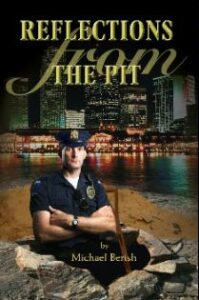
Michael Berish (ad)– Miami Police Department. Michael was a patrolman, detective, and supervisor during his twenty-two year career. He served as an undercover detective in Miami Vice, and Michael is the author of Reflections from the Pit.
Paul Bishop (ad) – Los Angeles Police Department. Paul is the author of fifteen novels including five books in his LAPD Detective Fey Croaker Series. He has written numerous scripts for episodic television and feature films. He starred as the lead interrogator and driving force behind the ABC TV reality show, Take the Money and Run.
James O. Born (ad)– Florida Department of Law Enforcement. James Born combined his career in law enforcement and love of writing into a new life as a novelist. He advised numerous writers and TV shows on police realism, and Born spent years authoring a novel of his own.
BJ Bourg (ad)– Lafourche Parish District Attorney’s Office. BJ Bourg retired in 2020 after thirty years in law enforcement to pursue his dream of becoming a fulltime author. He was a patrol officer, detective sergeant, and he served as a police academy instructor. Bourg ended his police career as the Chief Investigator for the District Attorney’s Office.
Bradley - Brown - Browning
Joseph J Bradley (ad)– Houston Metro Police Department. Joseph J. Bradley is the author of five novels. His stories are fast paced thrillers with twists and turns, and the endings will leave the reader mesmerized.
Donna Brown (ad) – Tallahassee Police Department. Donna retired after 26 years with 10 years supervising the department’s Homicide Unit. She has interviewed and collected the biographies of 40 law enforcement officers and first responders. Their stories reveal the people behind and beyond the badge. Donna is the author of Behind and Beyond the Badge in two volumes.
Micki Browning (ad) – Santa Barbara Police Department. Captain Browning retired after a 22 year police career before turning to a life of crime fiction. She penned the Agatha nominated and award winning Mer Cavallo Mysteries. As M.E. Browning, she writes the Jo Wyatt Mysteries. The first in the series, SHADOW RIDGE, won the Colorado Book Award for Mystery.
Burcell - Cantore - Carlson - Police Authors
Robin Burcell (ad)– Lodi Police Department. Robin Burcell spent nearly three decades working as a police officer, hostage negotiator and detective. She is the two-time Anthony Award winning author of four previous novels featuring SFPD Homicide Inspector Kate Gillespie: Every Move She Makes, Fatal Truth, Deadly Legacy and Cold Case.
Janice Cantore (ad) – Long Beach Police Department. Janice was a police officer for 22 years, and she now writes suspense novels. Crisis Shot is the first title in her latest series. Janice authored the Cold Case Justice series – Drawing Fire, Burning Proof, and Catching Heat. The Pacific Coast Justice series – Accused, Abducted, and Avenged, and the Brinna Caruso novels, Critical Pursuit and Visible Threat.
Richard James Carlson (ad)– San Diego Police Department. Rick’s assignments included Child Abuse, Homicide, Violent Crimes Task Force and Hostage Negotiator. Rick was the spokesman for the SPD for 12 years of his 35 year career. The Author’s book, I’m in the Tub, Gone is a collection of suicide letters, and the stories of those victims’ final thoughts.
Christensen - Clausen - Coffin
Loren W. Christensen (ad)– Portland Police Bureau. Loren W. Christensen is a Vietnam veteran, retired police officer, and he’s been a martial artist since 1965. As an author, Loren has penned nearly 60 books and dozens of magazine articles on a variety of subjects.
Lowen Clausen (ad)– Seattle Police Department. Lowen was a Seattle police officer for thirteen years. He left police work to become a business owner and author in the Ballard neighborhood of Seattle. His police experience and his on-going ties to the Ballard community are reflected in his first three novels.
Bruce Robert Coffin (ad) – Portland Police Department (Maine). Bruce is the award winning author of the Detective Byron mystery series. He’s a former detective sergeant who supervised all homicide and violent crime investigations for Maine’s largest city. Bruce is the winner of Killer Nashville’s Silver Falchion Awards for Best Procedural and Best Investigator. He received the Maine Literary Award for Best Crime Fiction Novel.
Conlon - Cornuke - Cortez
Edward Conlon (ad) – New York City Police Department. Edward is a Harvard graduate who joined the NYPD where he rose to the rank of detective second grade. His first book, Blue Blood, was a New York Times bestseller. Edward has authored two novels, Red on Red and The Police Women’s Bureau.
Robert Cornuke (ad)– Costa Mesa Police Department. Bob Cornuke is a former police investigator and SWAT team member. He is a biblical investigator and international explorer, and he is the author of nine books. Bob has participated in over fifty expeditions around the world searching for lost locations described in the Bible.
Sarah Cortez (ad)– Houston Police Department. Sarah started out at Rice University majoring in Psychology and Religion. She found time to become a police officer, and she is now a 22 year police veteran. Sarah is currently a poet, editor, teacher and speaker, and one of her latest books is Essential Cop Essays.
Dean - Delaney - Delord - Police Authors
David Dean (ad) – Avalon, NJ Police Department. David is a retired police chief whose short stories have appeared regularly in Ellery Queen Mystery Magazine. His stories have been nominated for the Shamus, Barry, and Derringer Awards. Ibrahim’s Eyes won the EQMM Readers Award for 2007, as did The Duelist for 2019. David is the author of three novels.
Bob Delaney (ad)– New Jersey State Police. Bob Delaney’s life story has been told by HBO’s Real Sports, ESPN and ABC. Dulaney went undercover for three years investigating the Mob. He struggled with post-traumatic stress disorder after getting too close to those he investigated. Bob would go on to author Covert: My Years Infiltrating the Mob.
Ron Delord (ad)– Mesquite Police Department. Ron is a police union contract negotiator, and he’s an expert on police unions in the US, Canada and Australia. DeLord is an author and lecturer on police union leadership, power, organization, media and political action. He also serves as a historian for various police memorials.
Dial - Dietl - Dittrich
Connie Dial (ad)– Los Angeles Police Department. Connie’s work reflects her 27 years in the police department, and her life before the LAPD as a journalist. Since her retirement, Connie has authored young adult novels, short stories and several works for the theater.
Richard Bo Dietl (ad)– New York Police Department. Richard was a NYPD officer and detective from June 1969 until he retired in 1985. Bo was one of the most decorated detectives in the history of the police department.
Stacy Dittrich (ad)– Richland County Sheriff’s Office. Stacy is an award winning police officer and author, and she is a former detective specializing in sex crimes. She retired in 2008 to focus solely on her writing and media commitments.
Ellson - Forrest - Foster
James Ellson (ad) – Greater Manchester Police (UK). James began his police career in London, and he finished as a Detective Inspector at Moss Side in Manchester. His debut novel The Trail was published in 2020, and the sequel Cold Dawn will be published in August 2022.
James A. Forrest (ad)– Sarasota County Sheriff’s Office. James is a Sheriff’s lieutenant and mystery author who published his first novel, Eye of the Storm. He is a Florida native and fisherman who mixes the Sunshine State, screaming drags, and dead bodies into his writing.
Raymond E. Foster (ad)– Los Angeles Police Department. This is just one of Raymond’s presences on line. Also check out Raymond’s site at police-writers.com.
Foxjohn - Frank - Fuhrman - Police Authors
John Foxjohn (ad)– Houston Police Department. Best-selling police author John Foxjohn was born and raised in the rural East Texas town of Nacogdoches. John quit high school, and he joined the Army at seventeen where he became an Army Airborne Ranger. A Viet Nam veteran, John went on to become a police officer and homicide detective.
Marshall Frank (ad)– Metro Dade Police Department. Marshall Frank is a retired police captain, and he is the author of eleven books. He spent most of his thirty year career investigating murders or commanding those who did. Marshall’s latest book is a NEW Illustrated Edition of From Violins to Violence.
Mark Fuhrman (ad)– Los Angeles Police Department. Fuhrman served as a Los Angeles Police Department detective for 20 years, rising to fame as a key investigator and witness in the notorious O.J. Simpson murder trial. He is now a prolific author, and he lives in Idaho.
Giacalone - Griffith - Hodel
Joseph L. Giacalone (ad)– New York City Police Department. Joe is the best-selling author of The Criminal Investigative Function: A Guide for New Investigators. His favorite assignment as a detective sergeant was commanding a Cold Case Homicide Squad. Joe has personally worked on hundreds of murders, suicides and missing person cases.
C.A. Griffith (ad)– Cobb County Sheriff’s Office. C.A. Griffith is a retired major from the Sheriff’s Office where he served for three decades. His assignments included undercover narcotics, Atlanta DEA Task Force, fugitive and fraud investigations, and he was Commander of Internal Affairs. C.A. is the police author of four novels.
Steve Hodel (ad)– Los Angeles Police Department. Steve Hodel is a New York Times and International best-selling author. Black Dahlia Avenger: A Genius for Murder was nominated by Mystery Writers of America for “Best Fact” true-crime book. Detective Hodel received more than 75 commendations from the LAPD, and he handled over 300 separate murder investigations.
Chuck Klein (ad)– Woodlawn Police Department. Chuck is an ex-hot-rodder, former police officer, certified firearms instructor, and he is a retired private investigator. Most of the author’s writing is related to police and firearms. Instinct Combat Shooting has been in print for over 25 years, and it has become a standard police training tactic.
Mark Langan (ad) – Omaha Police Department. Mark was the youngest police officer ever hired on the Omaha PD at age 18. After 26 years, Sergeant Langan retired and pursued a second career directing investigations of crimes against animals for the Nebraska Humane Society. He is a recognized national speaker on active shooters and testimony tips for law enforcement officers. Mark is the author of Busting Bad Guys and More Busting Bad Guys.
Michael Levine (ad)– Barnstable County Sheriff’s Office. Michael Levine was called “America’s top undercover agent for 25 years” by 60 Minutes. He is the New York Times best-selling author of Deep Cover, The Big White Lie and Triangle of Death. Michael is one of the most decorated undercover agents in the history of the Drug Enforcement Administration.
Lockwood - Mackie - Mackintosh - Police Authors
Lisa Lockwood (ad)– Chicago Police Department. Lisa is the author of Undercover Angel: From Beauty Queen to SWAT Team and Reinventing YOU: The 10 Best Ways to Launch Your Dream Career. She is a speaker, media personality, collegiate educator and career consultant. Lisa teaches people how to make successful career transformations to fulfill their personal dreams.
John Mackie (ad)– New York Police Department. John Mackie is a decorated veteran of the NYPD, and he’s a holder of the department’s prized Medal of Valor. Mackie is the author of five novels. John’s distinguished career and the quality of his novels earned him induction into the Dick Tracy Hall of Fame.
Clare Mackintosh (ad) – Thames Valley Police (UK). Clare was a police officer for 12 years, before she left police service to become a full-time author. Over 2 million copies of her books have sold worldwide. Clare is the multi award winning author of I Let You Go. It was a Sunday Times and New York Times bestseller. It was also the fastest-selling title by a new crime writer in 2015. Her latest novel is Hostage.
Maldonado - Mayor - McGarrity
Isabella Maldonado (ad) – Fairfax County Police Department. Isabella attained the rank of captain, and she commanded her department’s Special Investigations and Forensics. Her first novel of a series, THE CIPHER, featuring FBI Special Agent Nina Guerrera, was published in 2020. It will be made into a feature film on Netflix starring Jennifer Lopez.
Archer Mayor (ad)- Windham County Sheriff’s Office. Archer is a former Sheriff’s detective, and he is currently a death investigator for Vermont’s Chief Medical Examiner. He is the author of the Vermont-based series featuring detective Joe Gunther, and the Chicago Tribune describes Mayor’s novels “the best police procedurals being written in America.”
Michael McGarrity (ad)– Santa Fe County Sheriff’s Department. Michael’s criminal justice career includes corrections, law enforcement and police officer training. The author’s best-selling novels have been nominated for awards, and he received the New Mexico Governor’s Award for Excellence in the Arts for Literature.
McKinney - Moskos - Mynheir - Police Authors
Joe McKinney (ad)– San Antonio Police Department. Joe McKinney is the author of over twenty horror, crime and science fiction novels. McKinney was a sergeant with the SAPD where he worked a variety of assignments to include homicide investigations. Joe holds a Bachelor’s Degree in American History, and he earned a Master’s Degree in English Literature from the University of Texas at San Antonio.
Peter Moskos (ad) – Baltimore Police Department. Peter’s first calling was academia, and he took it seriously. He made a deal with Baltimore PD. Peter became a police officer, and he worked for one year in a real policing laboratory called the Eastern District. Peter added real police experience to his Harvard and Princeton sociology education for his Ph.D. He is the author of Cop in the Hood, In Defense of Flogging, and Greek Americans.
Mark Mynheir (ad)– Palm Bay Police Department. Mark is a former Marine who went on to a 28 year police career. He worked patrol, undercover narcotics, SWAT and homicide, and he is the author of five novels. Rolling Thunder, From the Belly of the Dragon, The Void, The Corruptible, and the Christy nominated The Night Watchman.
Nable - Newton - Nichols
Richard Nable (ad)– Fulton County Police Department. Richard Nable was born and raised in Atlanta, Georgia. He graduated from the University of Richmond, VA in 1987 with a bachelor’s degree in biology and promptly went to work as a police officer. He is the principal firearms trainer for his department as well as for the regional police academy.
Steven J. Newton (ad)– Clever Police Department. Steve Newton is a 25-year police veteran and a former Marine/Navy veteran. Now retired and afflicted with Parkinson’s Disease, he continues to write articles for various law enforcement, military and veteran publications. He is the author of TheOld Sergeant and the Old Sergeant and Friends.
Thomas J. Nichols (ad)– Lubbock Police Department. Tom’s police career spanned the era of the Mexican drug cartels and the war on drugs. He brings with him the inside view of that war, and a time of violence, deception, and greed. The author’s stories are easy to follow narratives, and the believable characters in his police docudramas, espionage, and international intrigue.
Nikkel - Nores - Norris - Police Authors
William Nikkel (ad)– Kern County Sheriff’s Department. Nikkel is the author of ten Jack Ferrell novels and two steampunk westerns. William is a former homicide detective and police SWAT team member, and he is an amateur scuba enthusiast and artist. He and his wife Karen divide their time between California and Maui, Hawaii.
John Nores (ad)– California Department of Fish and Game. Retired Lieutenant John Nores has been at the forefront in the battle against thousands of Mexican drug cartel members. The cartels grow toxic marijuana on U.S. soil, and they frequently us public lands close to population centers. John is the author of two books, Hidden War and War in the Woods.
George Norris (ad)– New York Police Department. George Norris is a retired twenty year veteran of the NYPD, and the holder of 249 commendations. Norris served as a detective and sergeant, and he is the author of four novels. NYPD True, Exceptional Merit, Legacy and Redemption, and The Blue Executions.
O'Byrne - Perkins - Peterson
Michael O’Byrne (ad) – Hong Kong Police Force. Michael joined the Hong Kong Police at age 19. He went on to the Metropolitan Police, and a series of promotions took him to Surrey Constabulary, Thames Valley Police, and he retired as the Chief Constable for Bedfordshire Police. Michael is the author of The Crime Writer’s Guide to Police Practice and Procedure.
John Perkins (ad)– New York Police Department. John is a former detective and forensic crime scene expert, and he has been called America’s foremost self-protection expert. He created Guided Chaos, a free form adaptive self-defense system for professionals and civilians. John is the author of Attack Proof: The Ultimate Guide to Personal Protection.
Quintin Peterson (ad) – DC Metropolitan Police Department. Quintin spent three decades with the District of Colombia police. One of his assignments was liaison between the department and members of the motion picture and television industries. He was also a script consultant and technical adviser. Quintin is the author of two novels, SIN and The Wages of SIN and two novellas, Guarding Shakespeare and The Voynich Gambit.
Pincus - Pomper - Porrello
Rob Pincus (ad)– San Miguel County Sheriff’s Office. Rob Pincus is a professional trainer, author and consultant, and he provides self-defense services to military and law enforcement. He is the developer of the Combat Focus Shooting program, and he is the author of Combat Shooting Focus: Evolution 2010.
Steve Pomper (ad)-Seattle Police Department. Steve is a retired police officer and writer living in the Pacific Northwest. He is a contributor for OpsLens.com. Other articles have appeared in American Iron Magazine, Crosscut.com, the Seattle Police Officer’s Guild: The Guardian, and other online and print magazines. Steve is the author of four books.
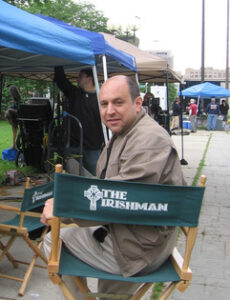
Rick Porrello (ad)– Lyndhurst Police Department. Author and drummer Rick Porrello, a former police chief with mob roots, has a knack for writing books that attract interest from filmmakers. Hollywood snapped up To Kill the Irishman—the War that Crippled the Mafia before it was even published, and turned it into the movie Kill the Irishman.
Proctor - Rahtz - Rayburn
Mike Proctor (ad)– Westminster Police Department. Mike “Duck” Proctor has become one of the nation’s leading experts on stalking. In Antidote For A Stalker, Proctor has developed a stalking guide allowing the reader to easily grasp the elements found in the phenomenon of stalking in its entirety.
Howard Rahtz (ad)– Cincinnati Police Department. Howard’s book, Race, Riots and The Police, provides a review of the history of race riots in America. It covers the period from the Red Summer of 1919 to the riots in Ferguson and Baltimore in 2014-2015.
Michael T. Rayburn (ad)– Saratoga Springs Police Department. Mike is the lead instructor for Rayburn Law Enforcement Training. He has written numerous articles for various police magazines focusing on the areas of officer survival, vehicle stops and firearms tactics and training. He is the author of six books.
Redmond - Roberts - Rowe
Lissa Marie Redmond (ad) – Buffalo Police Department. Lissa was a writer before she became a police officer, and she returned to writing after retirement. During her 22 year police career, she investigated cold case murders and rape and child molestation crimes. Lissa is the author of seven novels.
Craig Roberts (ad)– Tulsa Police Department. Craig Roberts retired from the armed forces with 30 years of service where he served as a Marine sniper. He was also a career police officer with the Tulsa, Oklahoma, police department. An internationally published writer, he is the author of Combat Medic-Vietnam and Police Sniper.
Tina Lewis Rowe (ad)– Denver Police Department. Tina’s book on preparing for an assessment center has helped thousands of officers–not only in their assessment processes, but also on the job. She retired from Denver PD as a Captain, and then as the Presidential appointed United States Marshal for Colorado.
Sadler - Sanchez - Sandoval - Police Authors
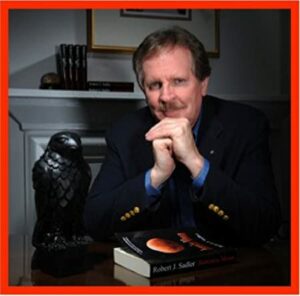
Robert J. Sadler (ad)– Dallas Police Department. Robert Sadler, private investigator and security consultant, Vietnam veteran and former Dallas cop. He’s also a novelist-essayist-poet-artist and photographer. As a cop he played an instrumental roll in the capture of a Dallas serial rapist who was responsible for more than seventy offenses.
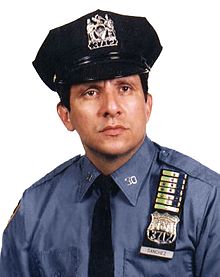
Joe Sanchez (ad)– New York Police Department. Joe has been trying to tell this story for some time. It’s his story, but not his alone. It’s also the story of those who lived and died alongside him, in Viet Nam and in that other battle, for justice and safety under the shield of the law, that is fought daily in the streets of every big city by every honest cop.
Lynda Sandoval (ad) – Wheat Ridge Police Department. Lynda is a former police officer-turned fiction writer with twenty-two published books to her credit. She lives (and writes) in Denver with a gigantic, rollicking family of mostly beasts who regularly trash the house. She writes young adult novels as well as women’s fiction, romance, and nonfiction.
Sasser - Schembra - Schonely
Simon & Shuster
Charles W. Sasser (ad) – Tulsa Police Department. Charles has been a full-time freelance writer, journalist, photographer since 1979. He’s a veteran of the U.S. Navy and Army Special Forces. Charles spent 14 years as a police officer in Miami and Tulsa. He is author, co-author, or contributing author of more than thirty books and novels, including One Shot-One Kill and Hill 488.
John Schembra (ad) – Pleasant Hill Police Department. John retired as a sergeant after 30 years of police service. His experiences in Vietnam as a Military Policeman provided the basis for his first book, M.P. – A Novel of Vietnam. John’s time in law enforcement inspired his second novel, Retribution, the story of a vigilante killer at loose in San Francisco. He’s written seven novels.
Jack H. Schonely (ad) – Los Angeles Police Department. Jack has worked on the front lines of law enforcement in a variety of field assignments for over 29 years. He’s a recognized expert in suspect tactics and perimeter containment, and he is a sought after tactical trainer. Jack’s book is Apprehending Fleeing Suspects: Suspect Tactics and Perimeter Control.
Silverii - Streed - Tarani
Scott Silverii (ad) – Thibodaux Police Department. I am a cop, a Chief of Police, a teacher, an author, a son, a brother and a dad. Most importantly, I am saved by God’s grace. I’m going to be honest about what policing is like (the good and the can-be-better). What being a dad/cop is like, and the ordinary trials in this life that still amaze me.
Michael W. Streed (ad) – Orange Police Department. Michael is an internationally recognized police sketch artist. He has blended his rich law enforcement experience and artistic skills to provide forensic facial imaging services. Michael has worked with some of the largest, most diverse, police agencies in the United States. They include the Los Angeles and Baltimore Police Departments.
Steve Tarani (ad) – Del Rey Oaks Police Department. Steve is an active executive protection professional and a published author of nine books. He’s an advisor to the Department of Justice, Department of Defense, and the International Association of Chiefs of Police. Steve has served for over 30 years as a respected Protective Programs subject matter expert and service provider.
Tercek - Veitch - Wagner - Waid
Ray Tercek (ad) – Portland Police Bureau. Author Ray Tercek is a retired cop with over thirty-one years in service. His specialty assignments were Intelligence, Special Emergency Response Team, and Drug Investigations. Ray is the author of The Investigation of Pepe Chavez et al: How Presidential Task Force #NW-OR-001 Challenged Conventional Drug Investigation Methods.
Greg Veitch (ad) – Saratoga Springs Police Department. Greg is the Chief of Police of the New York village that has an interesting history of crime. His first book, All the Law in the World Won’t Stop Them, describes Saratoga Springs before the prohibition era. It’s a story of the struggle between the forces of gambling and corruption, and the forces of law and order.
Jim Wagner (ad) – Costa Mesa Police Department. Jim’s a former soldier, jailer, street cop, SWAT officer, diplomatic bodyguard and counterterrorist agent. He is one of the world’s top police and military defensive tactics instructors. Jim has trained elite units such as the U.S. Marshals, FBI SWAT, German GSG9, Israeli Special Forces and many others. He is the author of five books.
Jess Waid (ad) – Los Angeles Police Department. Jess is an American novelist and former LAPD detective residing in Mexico. He is the author of the Mike Montego Series. Shades of Blue, 459-Framed in Red, The Purple Hand, He Blew Blue Jazz, Circle of Yellow, and Kona Gold. They follow the exploits of young, ambitious LAPD cop Mike Montego.
Wambaugh - Watts - Westermann - Police Authors
Joseph Wambaugh (ad) – Los Angeles Police Department. Joseph Aloysius Wambaugh, Jr. transformed the sub-genre of the police novel. He provided serious writing that was harrowing and humorous, comic and tragic. His first four books and his work on the Police Story television series in the 1970s set new standards for subsequent writers. Many acknowledge their debt to him.
Larry Watts (ad) – Houston Police Department. Larry lives on the Gulf coast of Texas with his wife, Carolyn. The former cop and labor negotiator now enjoys writing fiction about crime and social justice. Larry authored numerous trade magazine articles during his career in law enforcement and labor negotiations. He continues to use his unique life experience to entertain readers with his novels and short stories.
John Westermann – Freeport Police Department. John is a retired Long Island police officer and the author of six crime novels. The most notable is EXIT WOUNDS which was adapted for the screen by Warner Bros starring Steven Seagal as Orin Boyd. John’s short story, Trauma Bells Are Ringing, won the 1999 Blaggard Award from NewMystery Magazine.
Wills - Worden - Wozencraft
John M. Wills (ad) – Chicago Police Department. John is a former Chicago police officer and retired FBI agent. He is a freelance writer and award-winning author in a variety of genres including novels and short stories. John has published more than 150 articles on officer training, street survival, fitness and ethics.
Michael J. Worden – Port Jervis Police Department. Michael is a police detective who has redefined the genre of true crime with his book, The Murder of Richard Jennings. He explores the complexity of a murder in 1818 New York in an entertaining yet historically accurate manner. Michael examines the case from the origins of the dispute, to the plot, murder, and aftermath.
Kim Wozencraft (ad) – Tyler Police Department. Kim is the author of the novel Neglect and five other novels, including the internationally bestselling Rush. It was adapted into a film starring Jennifer Jason Leigh. Her work has appeared in The Best American Essays, the Los Angeles Times, and Texas Monthly.
Wynn - Zafiro - Ziskin - Zurl
Robert Michael Wynn (ad) – Alexandria Police Department. Michael had a long police career starting with 4 years as a military policeman, and 34 years with Alexandria PD. He’s found time to earn a Bachelor’s degree and author 14 books. Michael recently published The Takeover Trilogy – Atom Trackers, A Gathering of Spirits, and Visitors from the Other Side.
Frank Zafiro (ad) – Spokane Police Department. Frank primarily writes gritty crime fiction from both sides of the badge. This includes his River City series (an ensemble cast of police officers) and his SpoCompton series (a rotating cast of criminals). He remains a prolific author with over two dozen novels. Frank also writes mainstream fiction under his real name, Frank Scalise, and fantasy under the name Frank Saverio.
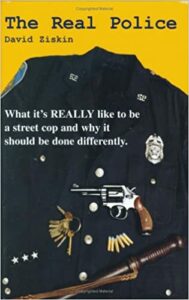
David Ziskin – Seattle Police Department. David uses his twenty years on the street to show readers aspects of police work not portrayed in popular media. The author of TheReal Police served during the last of the old era of street policing. He then continued through the period of greatest change. The bridge between eras was forged by the real police who passed down their experience and taught by example. They accomplished that goal despite the inept bureaucracies of their departments.
Wayne Zurl – Suffolk County Police Department. Wayne retired after twenty years with one of the largest police agencies in New York and the nation. For thirteen of those years he served as a section commander supervising investigators. He currently has nine novels and twenty-seven novelettes published in the Sam Jenkins Mystery Series. Many of the novelettes were produced as audio books.